If you have ever wondered why the second floor of your home feels warmer than the rest of the house, you are not alone. Many homeowners dealing with uneven temperatures assume they need immediate AC repair in Grand Rapids, MN, but the problem is not always with the air conditioner itself. In many cases, airflow challenges, ductwork issues, or outdated comfort systems are the real culprits. Understanding the cause can help you find the right solution and enjoy more consistent comfort throughout your home.
Why Upstairs Rooms Get Hotter
Warm air naturally rises, which means upper floors often collect more heat than lower levels. During the summer, sunlight shining on the roof and upper-story walls can also increase temperatures upstairs. While your air conditioner works to cool the entire home, it may struggle to distribute conditioned air evenly if other factors are interfering with airflow.
Ductwork Problems Can Restrict Airflow
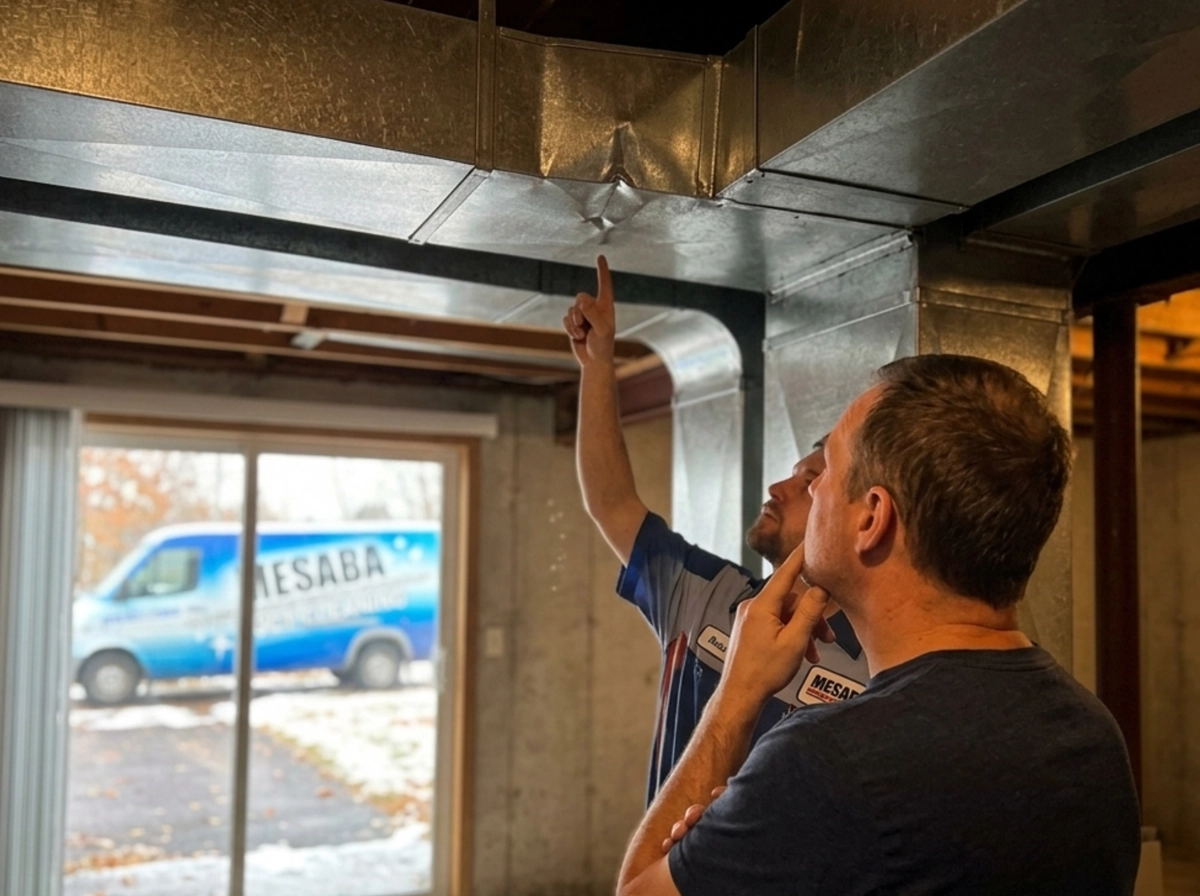
Your duct system plays a major role in delivering cool air where it is needed. Leaky ducts, crushed sections, poor design, or inadequate insulation can prevent enough conditioned air from reaching upstairs rooms.
Even a powerful air conditioner cannot compensate for significant airflow restrictions. If some rooms feel stuffy while others are comfortable, a professional duct inspection may reveal hidden problems. Sealing leaks, improving insulation, or redesigning portions of the duct system can dramatically improve comfort.
What Is a Zone Control System?
A zone control system divides your home into separate comfort zones that can be controlled independently. Instead of relying on a single thermostat for the entire house, multiple thermostats communicate with motorized dampers installed within the ductwork.
These dampers open and close to direct airflow where it is needed most. For example, if your upstairs is warmer than your downstairs, the system can send more cool air to the upper level without overcooling the rest of the home. Zone control systems are especially beneficial for multi-story homes where temperature differences are common.
How ERVs and HRVs Improve Comfort
Ventilation can also affect indoor comfort. An Energy Recovery Ventilator (ERV) and a Heat Recovery Ventilator (HRV) both bring fresh outdoor air into your home while exhausting stale indoor air.
An HRV transfers heat between incoming and outgoing air streams, helping maintain indoor temperatures while improving ventilation. An ERV performs a similar function but also transfers moisture, helping manage indoor humidity levels. By improving airflow and air exchange, these systems can reduce stuffiness and help your HVAC system operate more efficiently.
Finding the Right Solution
If your upstairs never seems comfortable, replacing your air conditioner may not be necessary. The real solution could involve duct improvements, zoning technology, or enhanced ventilation. Our expert team can evaluate your home’s airflow, identify the source of uneven temperatures, and recommend the best option for your needs. With the right upgrades, you can finally enjoy consistent comfort on every floor of your home.
Reach out to Mesaba Heating & Air Conditioning today. Service to you is success to us!