Perhaps you need to replace your furnace for this coming heating season or you’re considering upgrading or replacing it before the need becomes urgent. (You certainly don’t want to go through the process of researching, purchasing, and installing a furnace in Minnesota in January if you can avoid it by planning ahead.) Or perhaps you are building a new home and considering which system to start with. To make a smart investment, it helps to understand when a heater needs replacing, especially before winter hits.
Whatever your situation is, it’s important to know the basics about furnace heating systems before you begin narrowing down your options. A visual inspection is the first step in any maintenance or troubleshooting process for your furnace, helping to identify potential issues early.ur options.
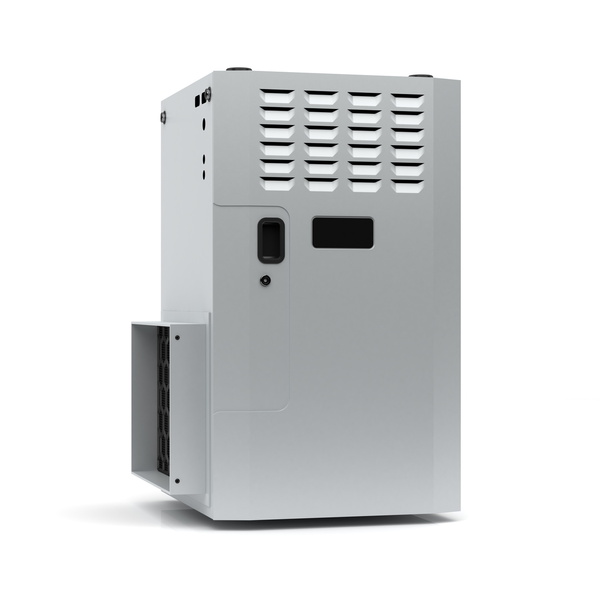
At the most basic, there are two types of furnaces: those that are fueled with natural gas, and those that are powered by electricity. Both have benefits and drawbacks that you should consider before choosing a furnace in Cohasset, MN. Both gas and electric furnaces are key components of a home’s hvac system, which requires regular care to ensure efficiency and longevity.
Some homeowners may also consider alternatives like a heat pump, which operates differently from gas furnaces and requires distinct maintenance procedures.
Gas Furnace Benefits: Efficiency, Heat Output, and Cost
A gas furnace heats your home quickly and efficiently using natural gas or propane, offering faster, more powerful warmth, especially during cold snaps. Although upfront installation costs are higher due to necessary gas hookups and venting, long-term energy savings and fuel affordability make it a cost-effective option for many homeowners. Regular gas furnace maintenance can help homeowners save money by improving efficiency and reducing the risk of costly repairs. Routine maintenance also leads to fewer breakdowns and extends the lifespan of your furnace. In fact, regular maintenance can reduce the likelihood of needing major repairs, with an estimated average saving of $100-$500 annually compared to emergency repairs or replacements
When a Natural Gas Furnace Is the Best Choice
- Familiarity: It’s likely that you’ve had natural gas furnaces in the past, and are comfortable with having one in your home and understanding the basics of how they operate. That familiarity can make them easier to recognize when they need care or maintenance too. To keep your furnace running efficiently and safely, homeowners should schedule regular maintenance with a HVAC professional and perform routine maintenance, such as cleaning and safety checks.
- Speed of heating: A natural gas furnace can bring up the temperature of your home very quickly, bringing speedy relief and comfort during sudden cold snaps. This makes it easier to lower the thermostat when you are away, saving energy, and then heating your home quickly when you return.
- Cost of fuel: Natural gas tends to be less expensive than other energy sources, so a natural gas furnace is likely to be cost-effective.
Gas Furnace Drawbacks: Venting, Safety, and Installation Considerations
- Installation: If you don’t already have a natural gas line going to your house, having one connected can add significantly to the cost of installation. In some places, you won’t be able to have a gas line connected at all, so it’s important to make sure this is possible before you purchase a gas furnace. If you’re facing a time crunch, it also helps to know how long furnace installation takes so you can plan accordingly.
- Safety: Most of the time, natural gas furnaces operate safely. Having consistent annual maintenance done can help to ensure that safety. Always turn off the furnace using the power switch before performing any maintenance or inspection to prevent electrical shock or system damage. But some risk of carbon monoxide exposure exists with this appliance as it gets into the double digits in age.
Electric Furnace Benefits: Upfront Cost, Quiet Operation, and Easy Maintenance
- Versatility: No gas line is required, so as long as your home has electricity, you’re all set. And electric furnaces tend to be smaller, giving you more placement options and more space in your home.
- Installation: Due to the fact that you don’t need to connect to a gas line, installation of an all-electric furnace can be less costly and a bit faster.
- Safety: Electric furnaces pose no risk of gas leaks.
Electric Furnace Limitations: Energy Use, Utility Costs, and Cold-Weather Performance
- Speed of Heating: It takes longer for an electric furnace to raise the temperature of your home.
- Operating Cost: This largely depends on the rate you pay for electricity. In many places, although electric furnaces are very efficient, the cost of electricity is much higher than the cost of natural gas making them too expensive to run for some people.
Furnace Efficiency and Performance
When it comes to keeping your home comfortable and your heating costs in check, furnace efficiency and performance are key. A well maintained furnace not only delivers reliable warmth throughout the heating season, but also helps minimize energy consumption and reduce the risk of unexpected breakdowns. Whether you have a gas furnace or an electric model, routine furnace maintenance is essential for safe operation and long-term savings.
Regular furnace maintenance—including annual furnace maintenance and routine furnace cleaning—ensures your heating system runs at peak efficiency. This means checking and replacing the furnace filter or air filter to prevent poor airflow, inspecting the heat exchanger for cracks or corrosion, and making sure the gas valve and gas flow are operating correctly. Homeowners should replace or clean air filters every 1-3 months. For gas furnaces, it’s especially important to keep an eye on the pilot light system, combustion chamber, and flue pipe to ensure efficient combustion and to avoid safety risks like gas leaks or carbon monoxide exposure. Inspecting and cleaning the flame sensor is also crucial to ensure the furnace ignites and operates safely; cleaning the flame sensor can prevent the furnace from lighting properly. Checking gas pressures (inlet and outlet) during maintenance helps ensure safe and efficient operation.
High efficiency furnaces, while great for lowering energy consumption, require extra attention to maintain their performance. Components such as the condensate drain, blower motor, and ignition system should be inspected regularly to prevent costly repairs and keep your system running smoothly. Be sure to inspect and clean the blower compartment to remove dust, debris, and soot, and check it for water leakage. Inspect burner flames for proper color and stability to ensure safe and efficient operation. Checking and tightening electrical connections during maintenance can improve efficiency and prevent costly repairs. In older furnaces, lubricate motor bearings to prevent wear and maintain efficiency. Measuring temperature rise—the difference between supply and return air after the system has been running—serves as an important indicator of heating performance and system efficiency. A flickering pilot light, unusual noises like rattling or squealing, or a sudden system shutdown can all be signs that your furnace needs professional service. If the furnace is cycling on and off frequently, it may need maintenance to address underlying issues.
Don’t overlook the importance of indoor air quality, either. A clogged furnace filter can restrict airflow, forcing your furnace to work harder and driving up heating costs. Regularly replacing the air filter not only improves system performance but also helps keep your home’s air cleaner and healthier.
Scheduling an annual professional inspection is one of the best ways to catch potential issues early. A qualified technician will perform a thorough heat exchanger inspection, check for gas leaks, inspect the flue pipe, and ensure all internal components are functioning according to the manufacturer’s specifications. A professional furnace tune up should be scheduled annually for comprehensive inspection, cleaning, and adjustment. This proactive approach can help you avoid emergency repairs, extend the lifespan of your furnace, and ensure safe operation all winter long.
Typical furnace maintenance costs range from $75 to $200 for a standard inspection and furnace tune-up, depending on the service provider and region. Costs for furnace maintenance may vary according to local labor rates and the level of service provided. A more extensive maintenance package might cost closer to $200 and includes thorough inspections and checks for issues like CO or gas leaks. Many HVAC contractors offer a basic furnace cleaning package for around $100 or a little less, which includes cleaning and inspection of essential components.
Furnace Maintenance Basics
Furnace maintenance is the foundation of a reliable and efficient heating system. By scheduling regular maintenance, you can ensure your furnace operates smoothly throughout the heating season, keeping your home warm and comfortable when you need it most. A well maintained furnace not only helps reduce heating costs by maximizing efficiency, but also minimizes the risk of costly repairs and unexpected breakdowns that can leave you in the cold.
Routine furnace maintenance allows you to catch small issues before they turn into major problems, protecting your investment and extending the lifespan of your heating system. Whether your furnace is new or has seen several winters, consistent care is key to avoiding disruptions and maintaining steady performance. Ultimately, investing in regular maintenance means enjoying peace of mind, lower energy bills, and a furnace that’s ready to deliver reliable heat all season long.
How a Pro Helps You Choose the Right Furnace Size and Fuel Type
It’s good to have this basic information when considering a new furnace. But the most important thing is to get the help of a professional. For expert advice on furnace selection and to ensure proper installation and ongoing gas furnace maintenance, homeowners should consult a local dealer. In addition to installation, it’s essential to schedule regular maintenance and professional furnace tune-ups to keep your system running safely and efficiently. Our team would be proud to help you navigate the possibilities so you can choose a furnace that best fits your home and your needs. If you’re also aiming to lower energy bills and improve performance, ask about how to make your furnace more efficient.
Reach out to Mesaba Heating & Air Conditioning today for all your home furnace needs.